I spent decades asking one central question
What actually makes a good life?
I’ve found answers across different areas of my life: research, therapy, and Zen practice, each offering a different way of understanding what it means to live well.
Researcher / Zen Priest / Author / Psychotherapist
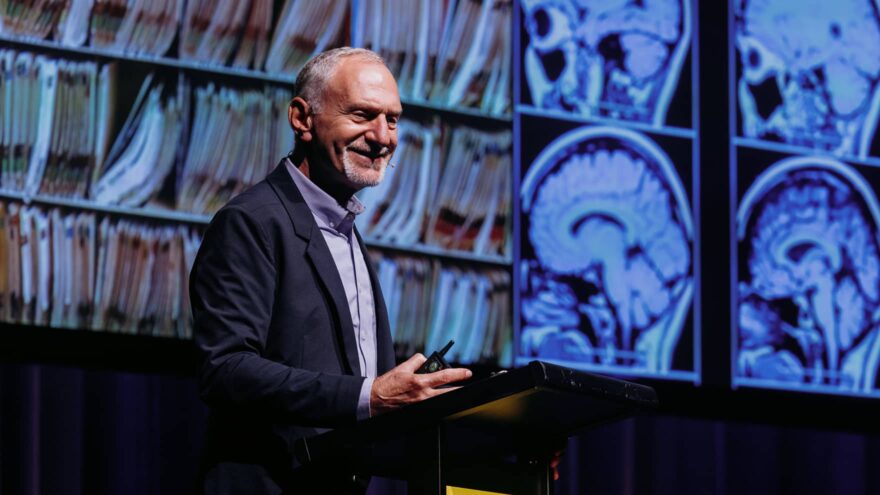
Director of the
Harvard Study

I studied hundreds of lives over 8 decades as part of the longest-running study of adult development. One finding became clear: if we focus only on work and achievement, we miss what matters most—relationships.
Zen Priest
& Teacher

Struggling with my own preoccupation with achievement, I began a Zen meditation practice over 20 years ago. I’m now a Zen teacher, though far from “finished.” Zen didn’t solve all my problems—it changed how I relate to them.
Psychiatrist & Psychoanalyst

Studying thousands of people, my research has revealed what helps us thrive. Therapy showed me how change happens—person by person. Again and again, I’ve seen healing begin with deeper self-understanding.
Husband, Dad, Grandfather

These roles made the research real. The joy in my own relationships reflects what the study shows: our connections are the most meaningful part of our lives. (And being a grandfather is a lot easier than being a dad!)

Philosophies & principles
The 4 most important principles I learned through my work and life
Strong relationships are the clearest predictor of a happy, healthy life.
This is the clearest finding from the Harvard Study. The quality of our relationships shapes our health and happiness. The flip side is just as powerful: loneliness is as harmful as smoking or high blood pressure.
Happiness is an accident, not an achievement.
The idea of permanent happiness is misleading—and often frustrating. We can’t secure it, but we can shape the conditions for it. Invest in relationships, stay present, care for your health—and happiness shows up more often, and lasts a little longer.
Attention is the best medicine
Where we choose to direct our attention changes how we experience life. Even pain can shift when we meet it with awareness instead of resistance. In many situations, close attention can reduce the intensity of physical and emotional pain.
Pain, too, will pass
All experiences—joy, pain, connection, loss—are temporary. Remembering this doesn’t remove difficulty, but it helps us move through it with more ease. When we meet hard moments with openness and curiosity, there’s the possibility of growth.
The study
What actually makes
a good life?
I am the last director of the longest ever study on happiness. What did I learn? It’s simple. The quality of our relationships predicts our health and happiness and health more than anything else – including wealth or fame.

What makes a good life?
Lessons from the longest
study on happiness
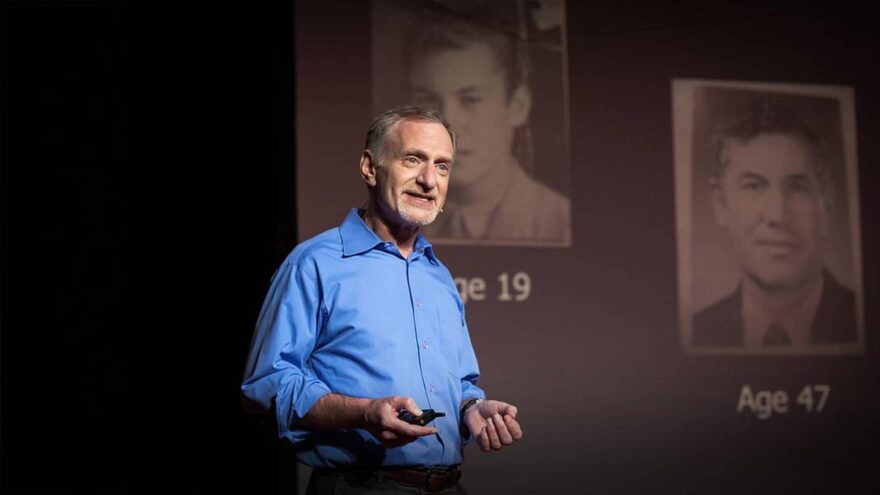
Watch my TED talk where I share what decades of research reveal about what actually makes a good life.
Hidden in Plain Sight
With Bob Waldinger, MD
Bob invites you to start every week differently: with a short practice to begin your week differently and a reflection that helps you see your life more clearly.